Blog · Training Tips
Your First Solo Flight: What It Takes
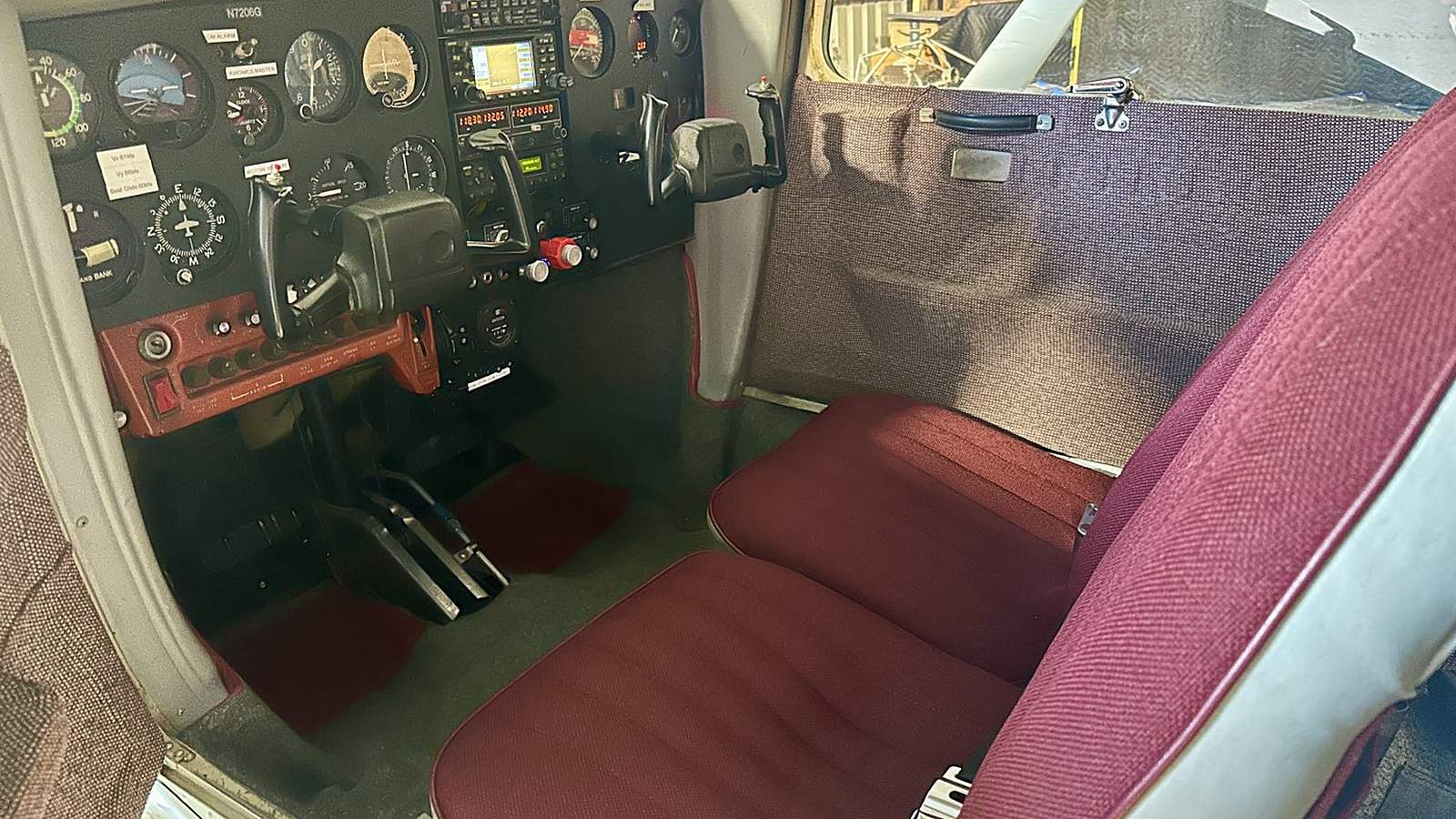
Your first solo flight is the day your instructor steps out of the airplane and you fly it alone. It's one of the great moments in aviation, and it isn't a leap of faith. By the time your instructor signs you off, you'll have practiced everything the flight needs, and the FAA has a specific list of what has to happen first.
What the FAA requires before you solo
A student pilot certificate. You apply through the FAA's IACRA system, usually with your instructor, and the card arrives by mail in about three weeks. Start early so it isn't the thing you're waiting on.
A medical certificate. For most student pilots that's a third-class medical from an FAA aviation medical examiner. You must carry both certificates when you fly solo.
A pre-solo knowledge test. Your instructor gives you a written test on the parts of 14 CFR parts 61 and 91 that apply to you, the airspace rules and procedures for the airport where you'll solo, and the flight characteristics and limitations of your airplane. Then your instructor goes over every answer you missed with you (14 CFR 61.87).
Pre-solo flight training. For a single-engine airplane, the regulation lists 15 areas you must have trained in and shown your instructor you can handle safely. They include:
- Preflight preparation, engine operation and the airplane's systems
- Taxiing and run-ups
- Normal and crosswind takeoffs and landings
- Straight and level flight, turns, climbs and descents
- Traffic patterns, including entries and departures
- Collision, wind shear and wake turbulence avoidance
- Slow flight, and stalls with recovery at the first indication and from a full stall
- Emergency procedures and equipment malfunctions, including approaches to a landing area with a simulated engine failure
- Ground reference maneuvers, slips to a landing and go-arounds
A logbook endorsement. Your instructor endorses your logbook for solo flight in that specific make and model of airplane. A student's solo endorsement is good for 90 days, and your instructor renews it after that. Solo cross-country flights and solo night flights each need their own training and endorsements.
Before training starts: the citizenship check
This one comes even before your first lesson. Federal rules (49 CFR part 1552) require a flight school to see proof that you're a U.S. citizen, such as a U.S. passport or birth certificate, before flight training begins. Non-citizens need TSA approval first.
When will you be ready?
There's no set number of hours. Readiness depends on how often you fly, how consistently your landings come together, and whether you handle the unexpected calmly: a go-around, a crosswind, another airplane in the pattern. Flying two or three times a week usually gets students there faster than flying once a week, because less of each lesson goes to getting back to where you left off.
Your instructor decides when you're ready, and a good instructor won't sign you off a day early. If they hold you back for a few more landings, that's the system working.
What the day usually looks like
Most first solos are short. You'll usually fly a few trips around the traffic pattern with your instructor first. If the weather, the wind and your landings all look right, your instructor gets out, often reminding you that the airplane will climb faster without their weight, and watches from the ground while you fly a few takeoffs and full-stop landings on your own.
If anything doesn't feel right, the right answer is the one you've practiced: go around, try again, or taxi back and talk it over. Your instructor may also set limits on the endorsement, such as a maximum crosswind or minimum visibility, and those limits are yours to keep.
Soloing at Redlands
Redlands Municipal (KREI) is a non-towered airport, so you'll handle your own radio calls on the common traffic advisory frequency, 123.05, and fit into the pattern with other traffic. Both runways use a pattern on the north side of the field at 2,503 feet MSL: left traffic for Runway 8 and right traffic for Runway 26. Your pre-solo test will cover those local procedures, and so will your instructor.
Later, you'll fly solo to towered airports too. A private pilot certificate requires three solo takeoffs and landings to a full stop at an airport with an operating control tower, and San Bernardino International is about four nautical miles away.
How to be ready
- Fly often enough that skills build instead of fading.
- Know your airplane's speeds, limitations and emergency procedures cold.
- Practice go-arounds until they're automatic. Every landing should be optional.
- Know the airport: the pattern, the frequency, the noise-sensitive areas and the airspace next door.
- Get your medical and your student pilot certificate done early.
Training at Cornerstone
Cornerstone Flight Academy trains student pilots at Redlands Municipal Airport with a dedicated instructor, from the first lesson to the checkride. Read how it works on our training page.
Questions about learning to fly? Call or text (909) 330-4748, or visit flycornerstone.com.
Book a $120 intro flight · Aircraft rental and time building · Pilot training at Cornerstone · More from the blog