Blog · Safety
Night Flying Around Redlands: Lights, Terrain and Currency
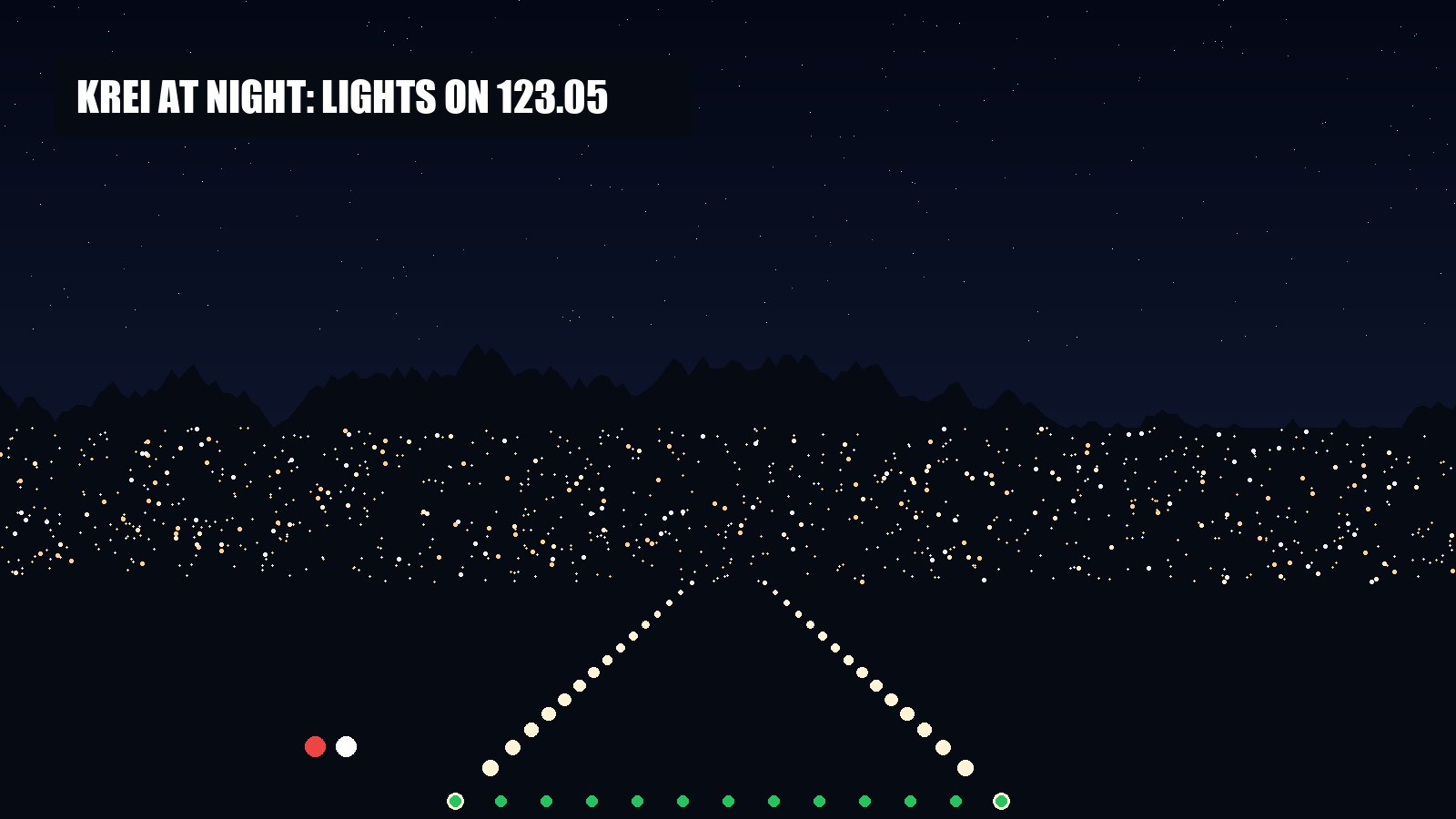
Night flying around Redlands is some of the most beautiful flying in Southern California: the lights of the Inland Empire spread across the valley, with the San Bernardino Mountains a dark wall to the north. It also asks more of you than a day flight. Here's what to know before you fly out of Redlands Municipal (KREI) after dark.
Three different "nights"
The regulations use three different definitions, and it helps to keep them straight:
- For logging night time and meeting training requirements, night is the time between the end of evening civil twilight and the beginning of morning civil twilight (14 CFR 1.1).
- For night passenger currency, the window is 1 hour after sunset to 1 hour before sunrise (14 CFR 61.57).
- For position lights, it's sunset to sunrise (14 CFR 91.209).
Night currency
To carry passengers between 1 hour after sunset and 1 hour before sunrise, you must have made at least three takeoffs and three landings to a full stop during that same period within the preceding 90 days, as the sole manipulator of the controls, in the same category and class of aircraft (14 CFR 61.57). Touch-and-goes don't count for night currency. If you're not current, go fly the landings solo first, or with an instructor.
The airplane
For VFR at night, the regulations require working position lights, an anticollision light system, an adequate source of electrical power, and spare fuses, plus a landing light if the flight is for hire (14 CFR 91.205). Your fuel reserve goes up too: you need enough to reach your destination and fly another 45 minutes at normal cruise at night, against 30 minutes by day (14 CFR 91.151).
Preflight with a flashlight, check every light, and carry a flashlight you can reach in flight, with a spare.
Turning on the lights at Redlands
Redlands' runway edge lights, the runway end identifier lights at both ends and the PAPI on Runway 8 are all pilot-controlled on the common traffic advisory frequency, 123.05. You turn them on by keying your microphone a set number of times within a few seconds; the Aeronautical Information Manual explains the standard sequences, and the Chart Supplement lists what's installed. The airport beacon operates from sunset to sunrise.
The City of Redlands' pilot guide suggests Runway 8 as the primary runway for night landings when the wind allows. It's also the runway with the PAPI, which gives you a visual glide path on final. The airplane traffic pattern stays on the north side of the field at 2,503 feet MSL, day or night.
Respect the terrain
From the air at night, the valley is full of lights and the mountains are simply black. The San Bernardino Mountains rise steeply north and east of Redlands; San Gorgonio Mountain, at more than 11,000 feet, is about 16 nautical miles east. You won't see a ridge until your landing light is on it.
- Plan every leg with a minimum safe altitude in mind, and know it before you take off.
- Stay over the lighted valleys, or well above the highest terrain within your route.
- Don't descend early toward an airport near the hills because the lights look close.
- Use a terrain or moving-map display if you have one, as a backup to your planning, not a replacement for it.
Your eyes at night
- Dark adaptation takes around 30 minutes. Avoid bright lights before you fly, and keep the panel lighting low.
- Red light preserves night vision, but it washes out anything printed in red on a chart.
- Illusions are common. Approaching over a dark area toward a lit runway can make you feel higher than you are, so you fly a dangerously low approach. Use the PAPI and your altimeter, not the picture alone.
- Scanning works differently at night. Look slightly off to the side of an object to see it better, and keep your eyes moving.
Student pilots and night
A private pilot certificate requires 3 hours of night flight training, including a cross-country of more than 100 nautical miles total distance and 10 takeoffs and landings to a full stop (14 CFR 61.109). A student who wants to fly solo at night needs night training at the airport, night navigation training in the area, and a specific logbook endorsement within the past 90 days (14 CFR 61.87).
Fly a night lesson
The best way to get comfortable at night is to fly with an instructor who knows the local terrain and traffic. Cornerstone Flight Academy rents and trains at Redlands Municipal Airport in a Cessna 172 and a Cessna 150.
Call or text (909) 330-4748, or visit flycornerstone.com.
Book a $120 intro flight · Aircraft rental and time building · Pilot training at Cornerstone · More from the blog