Blog · Training Tips
5 Ways to Build Flight Hours Faster Without Spending More
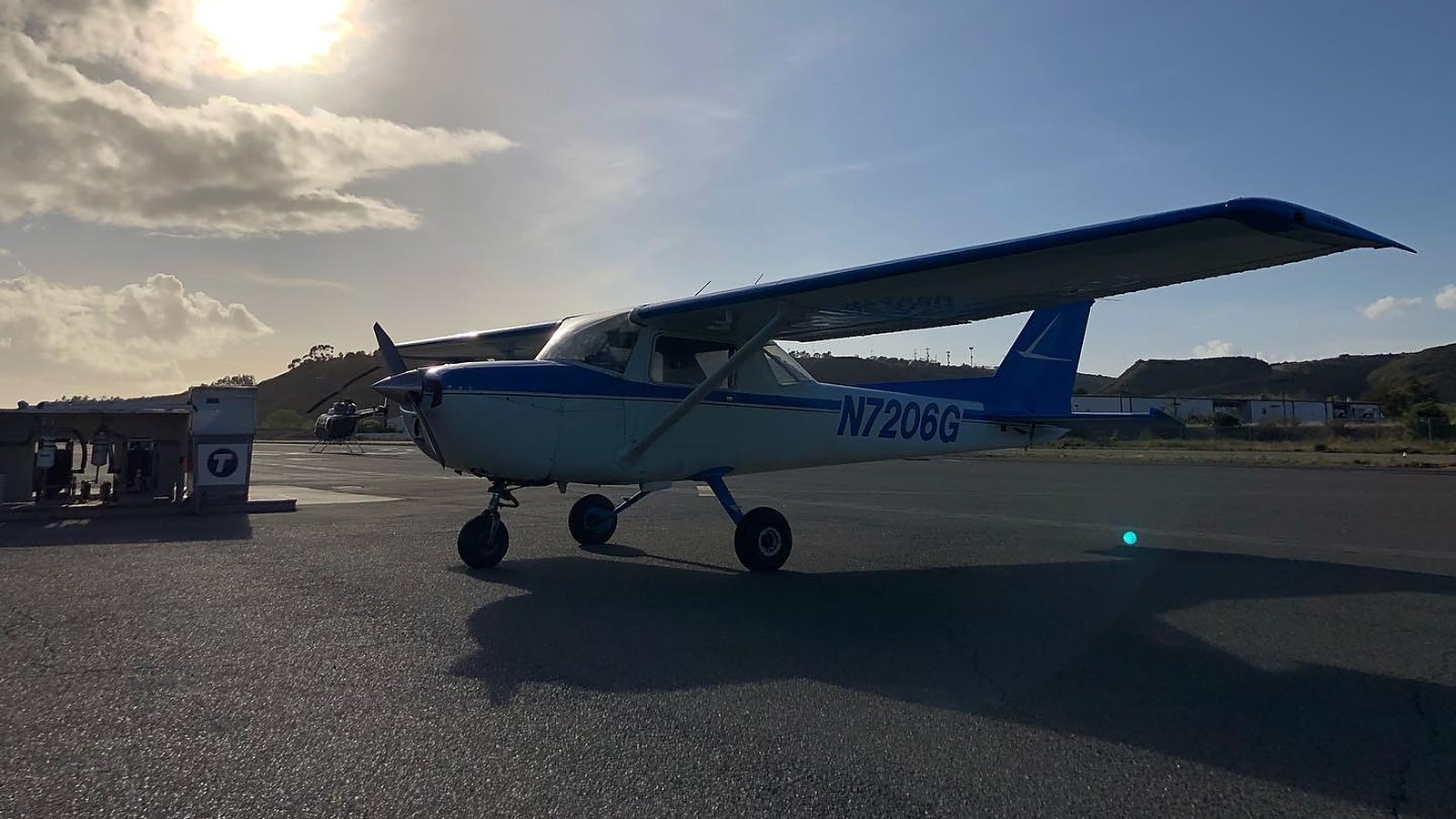
If you're working toward a commercial certificate, you need to build flight hours, and every one of them costs money. You can't make the hours free, but you can make each one cheaper and more useful. Here are five ways to build flight hours faster without spending more.
First, the target. A commercial certificate with an airplane single-engine rating requires at least 250 hours of flight time, including 100 hours as pilot in command, of which 50 must be cross-country (14 CFR 61.129). The way you build those hours matters as much as the total.
1. Fly the right airplane for the job
A larger, faster airplane isn't always the better time-building airplane. A Cessna 150 rents for less per hour than a Cessna 172 and burns less fuel: our 150 runs about 4.5 to 5 gallons an hour at economy cruise, against about 6 to 7 for our 172. For solo hours, local practice and cross-countries with light baggage, the 150 often builds the same hour for noticeably less.
Save the 172 for the flights that need it: more seats, more useful load, longer legs, or the avionics you're training on.
2. Commit to block time if you fly often
If you know you'll fly regularly, buying hours up front usually lowers the hourly rate. At Cornerstone, block rates drop at 10 hours and again at 25. Block time also gives you a reason to fly steadily instead of in bursts, which helps with the next point.
Before you buy, be honest about how often you'll actually fly. A discount only saves money if you use the hours.
3. Share the flying
Two pilots can split an airplane and a route. One flies the outbound leg and the other flies home, and each pilot logs the time they actually flew as sole manipulator of the controls. Ask your rental operation how it handles shared rentals; we offer shared block options for pilots whose schedules fit together.
Two pilots working toward an instrument rating can also fly together with one as safety pilot. The regulations require a safety pilot during simulated instrument flight, and that pilot needs at least a private pilot certificate with the right category and class ratings (14 CFR 91.109). The pilot under the hood logs pilot-in-command time as sole manipulator of the controls. The safety pilot can log pilot-in-command time too when acting as pilot in command, because the flight then requires two pilots (14 CFR 61.51). Agree on who is pilot in command before you start the engine.
4. Make every hour count twice
The cheapest hour is one that meets two requirements at once.
- Fly cross-countries that count. For a commercial or instrument certificate, cross-country time needs a landing more than 50 nautical miles in a straight line from where you started (14 CFR 61.1). From Redlands, Oceanside, Thermal and Carlsbad all qualify. Palm Springs, at about 35 nautical miles, doesn't.
- Plan toward the specific requirements. The commercial certificate needs a solo or pilot-in-command cross-country of at least 300 nautical miles with landings at three points, one of them at least 250 nautical miles in a straight line from where you started, plus 5 hours of night VFR with 10 takeoffs and landings at a towered airport. Build those into your time-building flights instead of flying them separately later.
- Practice while you fly. Work on commercial maneuvers, approaches with a safety pilot, or navigation without the GPS on the way to somewhere you were going anyway.
5. Fly on a steady schedule
Skills fade between flights, and rusty hours are expensive hours. A pilot who flies twice a week spends almost all of each flight building time. A pilot who flies once a month spends part of each flight remembering how.
A few habits help: plan and brief at home, not in the airplane with the engine running; preflight early so you start on time; and pick your weather and time of day so the flight you planned is the flight you get. In summer, early mornings bring cooler air, better performance and smoother rides.
Put it together
A good time-building plan pairs the right airplane with a steady schedule and a list of the requirements you still need, so that every flight checks something off. Your instructor can help you build it, and a rental operation that knows time builders can help you fly it.
Cornerstone Flight Academy rents a Cessna 172 and a Cessna 150 at Redlands Municipal Airport, by the hour or in blocks, to pilots building toward their next certificate.
Call or text (909) 330-4748, or visit flycornerstone.com.
Book a $120 intro flight · Aircraft rental and time building · Pilot training at Cornerstone · More from the blog